

Stay connected and up to date on both Instagram and Facebook
Call Us Now 0493 772 088


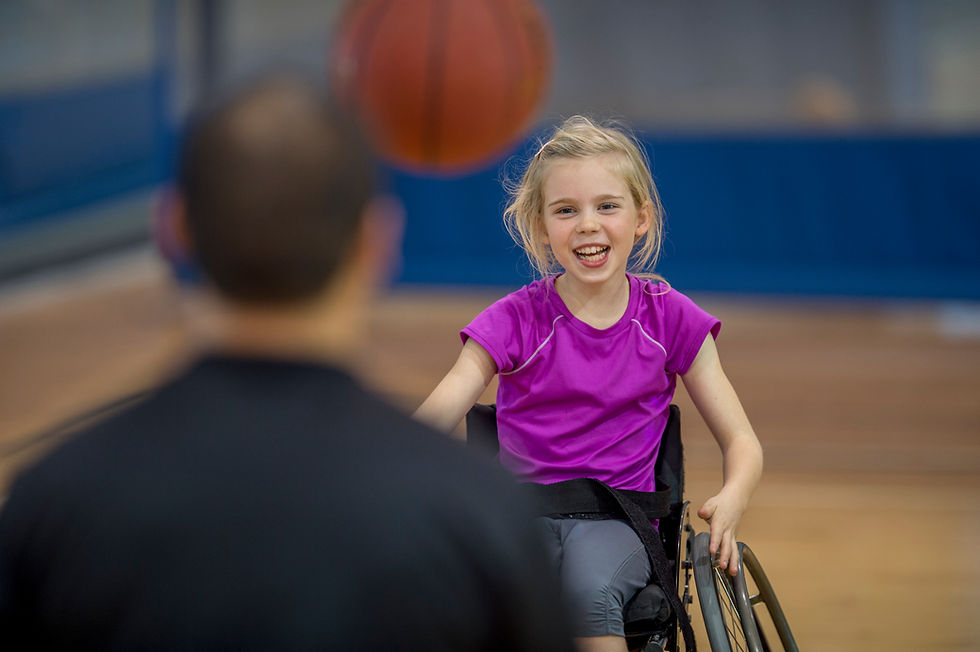
Participation in Sport & Recreation
Participation in sports and recreational activities helps children develop coordination, confidence, teamwork, and social skills.
How We Can Help
Participation in sports and recreational activities helps children develop coordination, confidence, teamwork, and social skills. Occupational therapists support children to engage safely and successfully in physical activities, whether at school, in clubs, or in the community.
What OT support looks like
Joining sports teams: Coaching skills, confidence-building, and strategies for inclusion.
Coordination for sport: Supporting gross motor skills, bilateral coordination, and motor planning for running, catching, kicking, or throwing.
Confidence to participate: Gradual exposure to new games, using success-focused strategies to reduce anxiety or fear of failure.
Modifying sports rules: Adapting rules or equipment to match a child’s abilities while maintaining enjoyment and fairness.
How OT support helps in everyday life
Encourages safe, confident participation in physical activities.
Builds social connections with peers through team-based and cooperative play.
Improves overall fitness, body awareness, and motor skills.
Links to emotional regulation by managing frustration, competition, and winning/losing experiences.
How this skill develops as your child grows
Early childhood: Learning basic movement skills like running, jumping, catching, and balancing.
Primary school: Participating in structured games, improving coordination, following rules, and working in teams.
Adolescence: Managing more complex sports skills, understanding game strategies, and joining community or competitive teams confidently.
How this skill can look at home, school, or in the community
Home: Playing backyard games, practising motor skills, or family walks/rides.
School: PE lessons, playground games, or intra-school sports.
Community: Joining sports clubs, dance classes, swimming lessons, or recreational programs.
Links to other OT areas
Bilateral Coordination & Midline Crossing: Supports smooth movement for catching, throwing, and kicking.
Motor Planning / Praxis: Helps plan and execute sequences of movements during games.
Executive Functioning: Supports focus, attention, impulse control, and following rules in sports.
Emotional & Behaviour Regulation: Helps manage frustration, competition, and teamwork challenges.
Safety & Risk Awareness: Teaching safe participation, use of equipment, and spatial awareness during play.
Example
A 9-year-old with coordination challenges struggled to catch a ball during team sports. The OT introduced fun skill-building games that targeted hand-eye coordination and bilateral coordination. Gradually, the child joined a modified soccer team, used strategies for catching and passing, and developed confidence to participate fully with peers.